Life cannot be classified in terms of a simple neurological ladder, with human beings at the top; it is more accurate to talk of different forms of intelligence, each with its strengths and weaknesses. This point was well demonstrated in the minutes before last December's tsunami, when tourists grabbed their digital cameras and ran after the ebbing surf, and all the 'dumb' animals made for the hills. -B.R. Myers, author (b. 21 Aug 1963
My Zen monk daughter and I were talking about the prospects for our species’ long survival.
We agreed that if there are humans on the planet in 10,000 years it will be because we finally woke up (there’s that “woke” word again) to the reality that we’re one species alongside all the other species. That they have been practicing survival skills we need to learn from them.
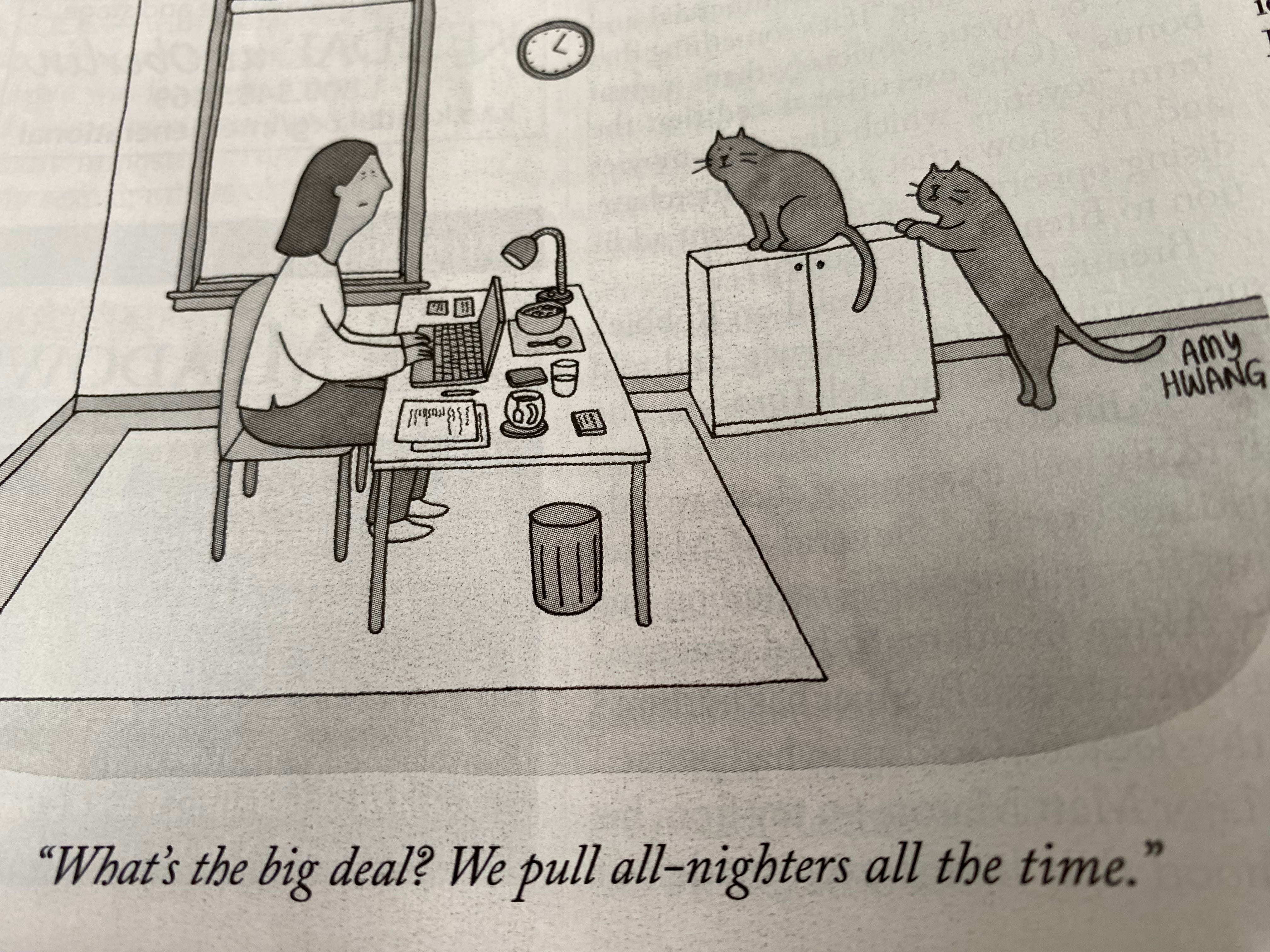
We’re not in charge. Not evolution’s highest achievement. Our prized intellect a fascinating feature, alongside bird’s flight. Hummingbirds’ metabolism. Dogs’ sense of smell.
What would be required of us to pull that off, acknowledging that not only does every species have remarkable, unique qualities, but our well-being is inextricably bound to all theirs?
Albert Einstein said that if bees disappeared humans wouldn’t last long. And we’re learning that our environmental carelessness, creating toxic substances that temporarily seem to enhance our lives, can wreak havoc among other species on whom we depend.
The first requirement would be humility.
The reason Zinnia’s beguiling look arouses love and gratitude in me
is not merely because she’s so cute, but because something deep in my bones knows that her well-being is closely tied to mine. Try to figure out which of us could be said to have domesticated the other.
And we’d need to redraw what we think we mean by Darwin’s description of evolution as survival of the fittest.
A smarter, better-serving understanding is considering the survival of those species that understand we’re in this together. We need each other. Each species sponsors characteristics that can seem threatening to others. That requires cooperation. And yes, some species are predators, live off the flesh of others.
We humans are chief among them.
You begin to see the dimensions of what’s required. What are the chances?
Southern California suffers unprecedented storms, earthquakes, fire, and Maui, of all places, lethal conflagration, places we have held as refuges from life’s hardships.
As it becomes ever clearer these are not one-offs, we will either double down on self-destructive efforts to subdue the forces that rule us, or redraw the terms of our time here.
We used to think it was survival of the fittest for plants, but we are learning there is a lot of cooperation among trees and plants. They have been here far longer than people.



We used to think it was survival of the fittest for plants, but we are learning there is a lot of cooperation among trees and plants. They have been here far longer than people.