
Cubamos
Who Knew?

In 2010 Lacey and I went to Cuba with a small group led by my cousin. My maternal grandmother, Sylvia Angel de Murias de Sentmanet, was Cubano. I barely remember her. She died with I was 5. She married my grandfather, Albert Vander Veer, a physician from Albany. So far as I know she never returned to Cuba.
My cousin, a de Murias, had permission from Cuba’s government to tend the family tomb in Colon cemetery in the center of Havana. Knowing precious little of my de Murias heritage I was thrilled to stand by the family tomb.
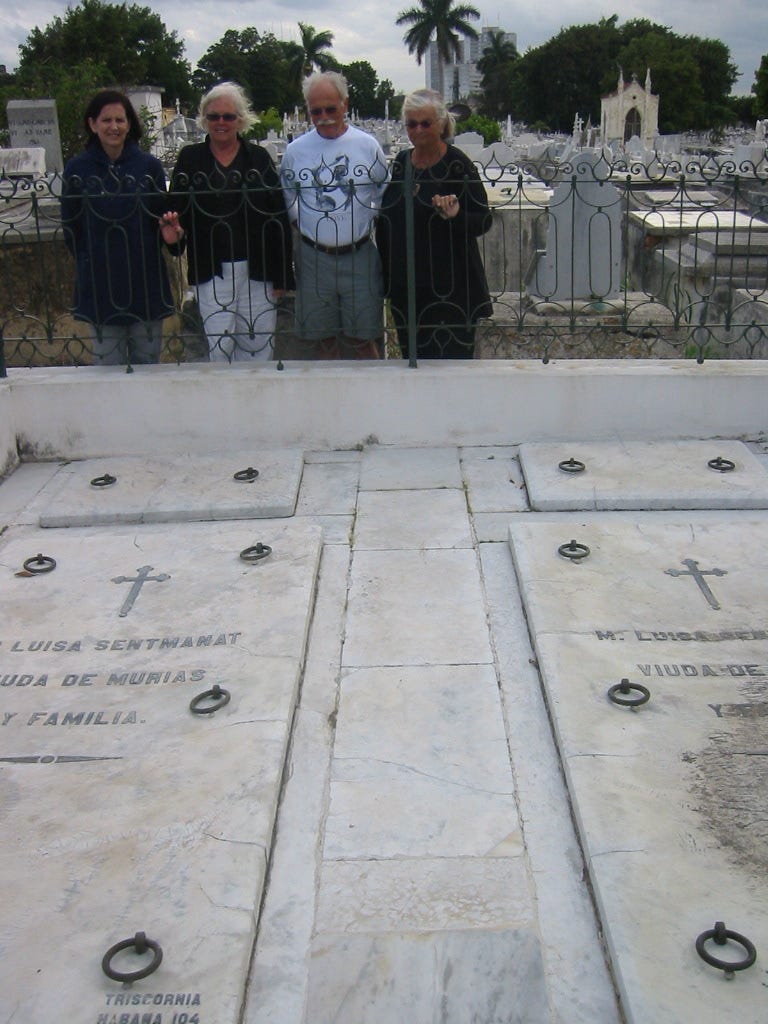
My niece on the left, my cousin, me, and my late sister Sylvia, who had chosen de Murias to be her legal name.
A bit unsettling was a visit to a museum displaying artifacts from the ruling group of tobacco and sugar cane growers.
“Look at that,” Lacey said as we approached a glass front case holding fine china.
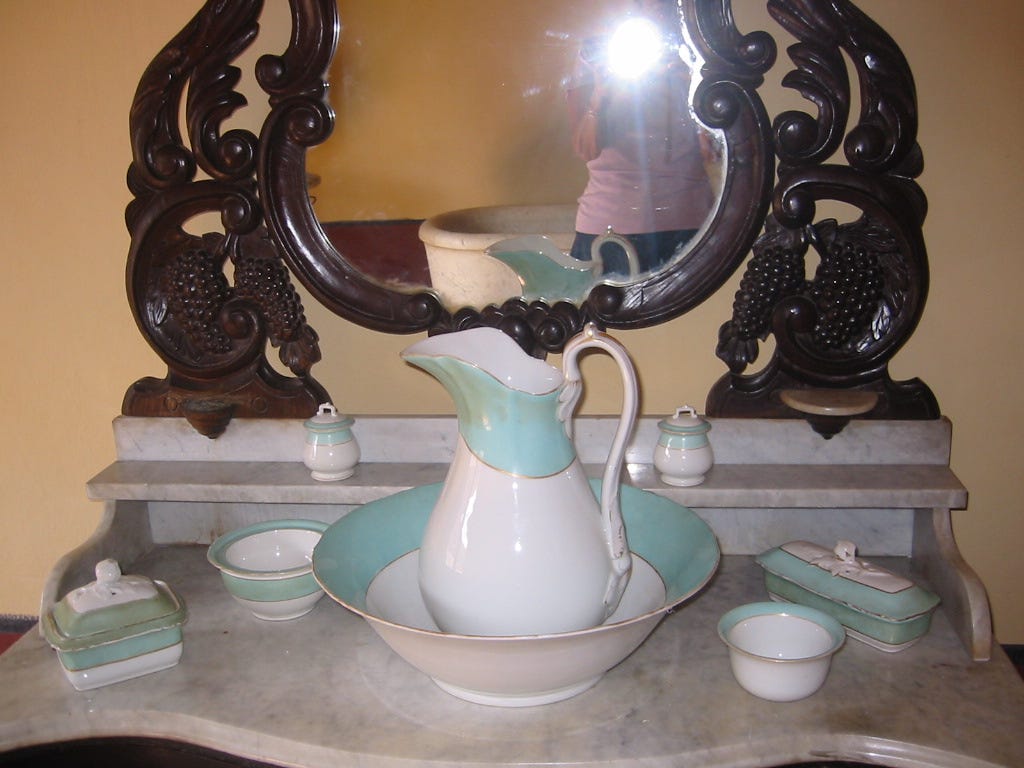
“That’s the china we inherited from your mother.”
Inasmuch as it was from a period now considered a dark period for most Cubans, and you can bet precious few owned china like that, it gave me pause about where and how the good fortune I have enjoyed, began.
A few years later, we began downsizing. The china is now in daughters’ houses, the 4th generation of family to hold them.
Someone has said that the surest way to enjoy prosperity is to be born into it. You could make the case that some of the energy driving the anger that feels threatening to liberal democracy we so recently believed had become the norm, is from those who have felt excluded from the access some of us, having lucky births, spent most of our growing up years taking for granted.
We enjoyed a more light-hearted moment when we went to visit the cigar factory where the world-famous Cuban cigars were made. Three floors of women and men sitting at tables hand rolling cigars.
On the ground floor was a display of all the wrappers that have bound different brands over the years.
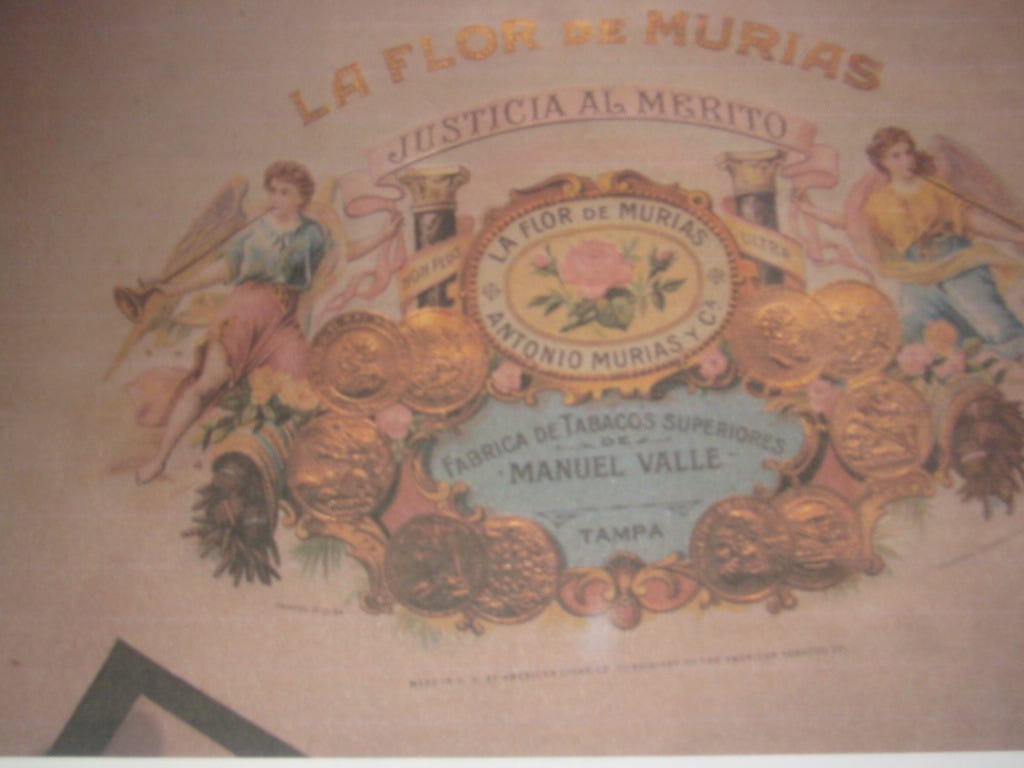
Maybe the de Murias family has a more varied history in Cuba than it had seemed.
What an amazing past.